
CiCLO®

CiCLO® Technology: innovative fibers with a natural end Fewer microplastics, same quality
CiCLO® Technology is an innovative solution that enables synthetic fibers, such as polyester, to behave more like natural materials at the end of their life cycle. During the production process, a special additive is incorporated, allowing microorganisms to recognize and break down the material when it enters soil, wastewater, or landfill environments.
During use, the material’s properties remain fully intact. It stays strong, colorfast, and weather-resistant. The degradation process only begins once the material is exposed to natural conditions. In this way, CiCLO® offers a solution to a major problem: the long-term presence of microplastics in the environment. While traditional polyester products can lose up to 25% of their weight as microplastics, CiCLO® has been developed to significantly reduce this impact.
CiCLO® Flag 110 FR
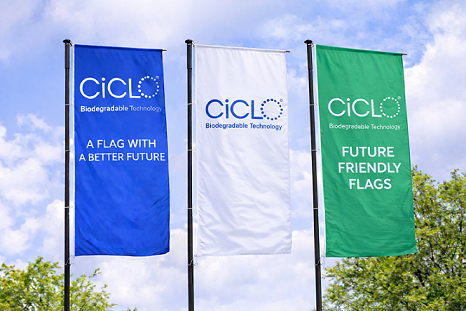
TTS introduces a new generation of flags manufactured using 100% CiCLO® Technology. With the CiCLO® Flag 110 FR, we combine sustainability with the quality you have come to expect from us. The flags remain strong, durable, and colorfast, and perform reliably under a wide range of weather conditions.
At the same time, the environmental impact at the end of their lifespan is significantly reduced. This makes the flag not only a high-quality choice for visibility and appearance, but also a conscious step toward more sustainable use of materials.
USP's:
- 100% CiCLO® yarn
- Biodegradable
- Less microplastic pollution
- Same performance as traditional polyester
Strong flags made from a more sustainable material
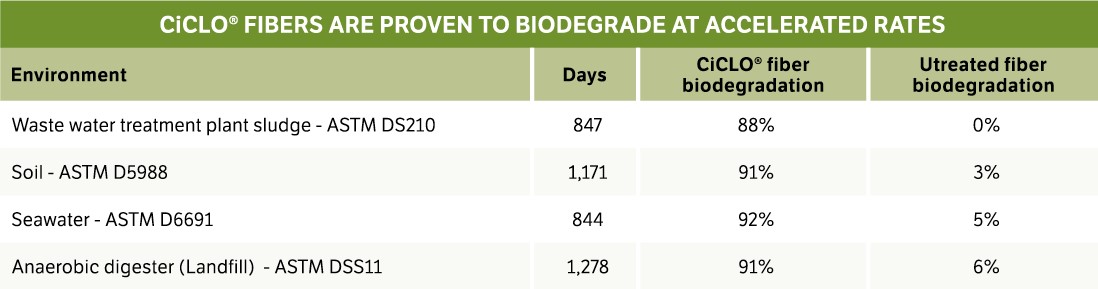
Independent testing in accordance with ASTM standards shows that CiCLO® fibers can degrade by up to approximately 90%. Thanks to the engineered fiber structure, this results in:
- Up to 96% fewer microplastics than standard flag fabric
- Degradation of up to approximately 92% in seawater
- Degradation of up to approximately 91% in soil
Traditional synthetic fibers remain virtually intact under the same conditions and therefore contribute to the accumulation of microplastics in the environment.