

Sustainability
Sustainability
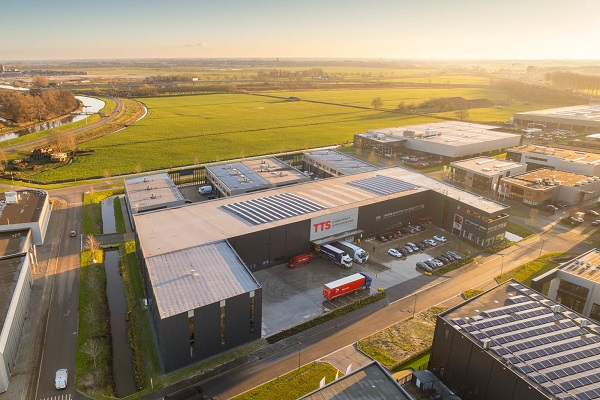
At TTS we invest in a sustainable future. We have installed an energy-neutral business premises with energy label A+++ and 600 solar panels. In addition, we recycle all our waste flows and minimize the use of product packaging.
With our sustainable solutions, including GREEN Textiles, our Solar range and our recycled PVC strip and DTF transfer paper (eco-friendly option) we support our customers in responsibly managing their activities socially and environmentally.
GREEN Textiles are made from recycled PET yarn and offer environmentally friendly printing products. This allows companies to meet the demand for sustainable products and make a direct contribution to a greener future.
TTS acts concretely
At TTS, sustainability is central. We strive to keep our ecological footprint as small as possible and take concrete actions to achieve this.
Which means that we:
- Separate all our waste streams for recycling.
- Minimize the use of packaging.
- Reuse (packaging) materials wherever possible
- Continuously look for more environmentally friendly products. Our textiles are completely PVC-free, and we have introduced the Green Textiles and SOLAR textile lines for indoor and outdoor use.
- Offer a recycled variant for every fabric.
- Providing a circular solution to recycle the tendon attached to the cloths.
- Investigate options to recycle our products, such as through our Textile Recycling Service.
- Have our headquarters located in an energy-neutral company building (Energy Label A+++) with 600 solar panels on the roof.

Green Textiles at TTS
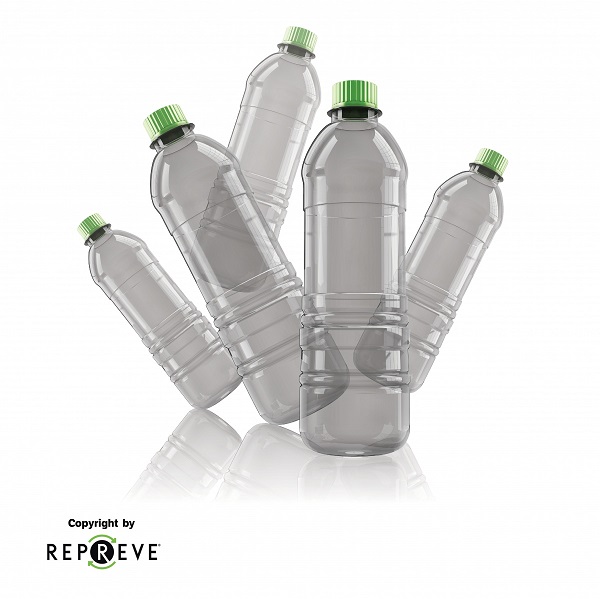
TTS's entire textile range is PVC-free, which contributes significantly to waste reduction, as polyester products are often half the weight of PVC alternatives. In addition, polyester textiles can be made from recycled PET yarn. As demand for sustainable printing products increases, our range of green products is expanding. Our Green Textiles offer a green variant for every type of textile, made from 100% recycled polyester.
The yarn for our green textiles is sustainably produced from recycled plastic bottles, without compromising the properties of the textile. The plastic bottles are cleaned, heated and spun into recycled yarn. By using PET bottles, we reduce plastic waste and energy consumption, which directly leads to lower CO2 emissions. Choosing green textiles contributes to a more sustainable future.
SEAQUAL®
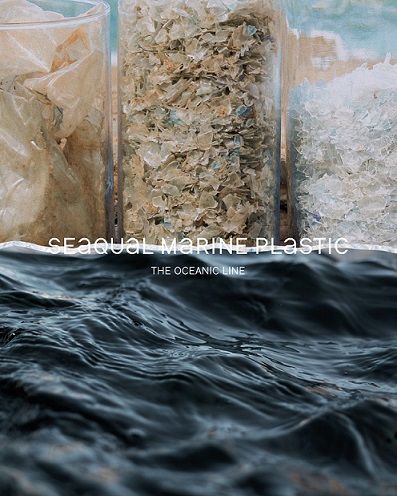
TTS is a licensee of SEAQUAL®, making TTS part of an international collaboration that combats plastic pollution in the sea. The SEAQUAL® YARN used consists of 10% ocean-fished plastic and 90% recycled PET from land sources. By using these raw materials in textiles and banners, waste is converted into valuable materials and awareness of plastic pollution is raised.
Our new display fabric
Our latest display fabric is made with SEAQUAL® YARN and consists of 10% ocean-fished plastic and 90% recycled PET. The fabric combines high-quality textiles with a strong sustainable message and is designed to make a tangible impression on customers and partners. This demonstrates how circular solutions can be applied in practice and how innovation and sustainability go hand in hand. The fabric will be available on the market soon.
As a SEAQUAL® licensee, TTS incorporates recycled polyester from ocean plastic into its product range. Circular materials are thus applied in a practical way within existing products, with a focus on quality, functionality, and longevity. In this way, TTS contributes to reducing plastic pollution.
CiCLO®
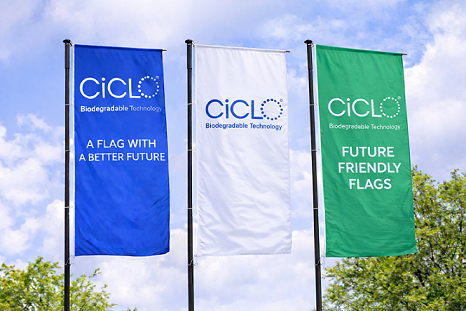
We have also become a licensee of CiCLO® and will soon be taking the next step with the introduction of a new flag made with 100% CiCLO® Technology. A special additive allows synthetic fibers such as polyester to biodegrade in the natural environment while maintaining their performance during use. This actively contributes to reducing microplastic accumulation in the environment.
With our new flag made from 100% CiCLO® Technology, synthetic material becomes biodegradable, reducing the accumulation of microplastics in the environment.
SOLAR
In early 2024, TTS introduced a completely new outdoor textile line: SOLAR, to meet the growing demand for environmentally friendly alternatives to outdoor fabric. All fabrics in this line are free of PVC and phthalates. SOLAR includes textiles for various outdoor applications, such as banners, displays, billboards, panels and fence and construction site decoration.
Some SOLAR fabrics are also particularly functional for indoor use, such as roll-up banners and wall coverings. All SOLAR fabrics are suitable for UV, latex and eco-solvent printers.

Green Textiles at TTS
TTS's entire textile range is PVC-free, which contributes significantly to waste reduction, as polyester products are often half the weight of PVC alternatives. In addition, polyester textiles can be made from recycled PET yarn. As demand for sustainable printing products increases, our range of green products is expanding. Our Green Textiles offer a green variant for every type of textile, made from 100% recycled polyester.
The yarn for our green textiles is sustainably produced from recycled plastic bottles, without compromising the properties of the textile. The plastic bottles are cleaned, heated and spun into recycled yarn. By using PET bottles, we reduce plastic waste and energy consumption, which directly leads to lower CO2 emissions. Choosing green textiles contributes to a more sustainable future.
Textile recycling at TTS
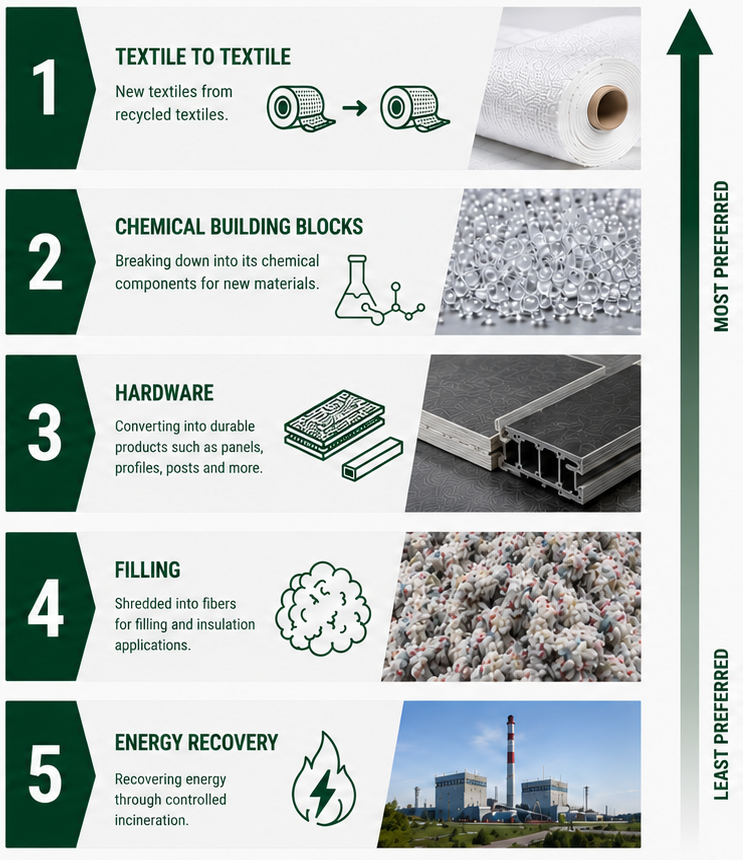
At TTS, we see returned textiles as a valuable raw material. Since not all textiles can be recycled in the same way, we use a recycling hierarchy. For each material, we select the most sustainable recycling route. The key distinction is between uncoated and coated textiles. Uncoated textiles, such as Flag and Display, consist of one main material and are suitable for high-quality recycling. Coated textiles, such as Blackback Soft and Heavy Tent, consist of multiple material layers and require different recycling routes.
Step 1 – Textile to textile
Uncoated polyester textiles are processed through chemical recycling into new textile fibres. This is the most circular solution.
Step 2 – Textile to chemical building blocks
Coated and complex textiles can be thermochemically recycled into raw materials for new chemicals and plastics.
Step 3 – Textile to hardware
The material is processed into durable products with a long service life, such as boards or other functional applications.
Step 4 – Textile to filling material
Textiles are shredded and reused as filling material for products such as sports, insulation and cushioning applications.
Step 5 – Textile to energy
When reuse or recycling is not possible, the material is used for energy recovery.
With this approach, we keep materials in the value chain for as long as possible. Want to learn more?
Read the full explanation here.
Sustainability strategy
Want to learn more about our sustainability approach? Download our sustainability strategy here.